Spider bites: when to get help
Not medical advice. This is an archive article for general information when professional care is hard to reach. It is not a diagnosis, treatment, or cure. Read the disclaimer. In an emergency, call your local emergency number.
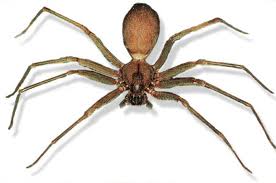 Many spider bites cause a small welt, itching, or mild redness and settle over a few days. A bite you did not see is easy to confuse with another insect bite or a skin infection. This page is not a way to identify the spider or to treat the bite.
Wash the area with soap and water. Note when you first noticed it and whether the red area is spreading, becoming more painful, or forming a blister or open sore. Do not cut the skin, and do not put oils, pastes, or herbal preparations on it as a treatment.
Get medical care promptly if
- Breathing becomes difficult, the face or throat swells, or the person feels faint
- Pain is severe, or a sore is growing instead of shrinking
- Redness spreads, red streaks appear, or the person develops a fever
- The person is a young child, is pregnant, or already has a condition that makes infection more serious
- You think the spider was a widow or recluse and symptoms are worsening
Trouble breathing or throat swelling is an emergency. Call your local emergency number. A clinician should see bites that are getting worse rather than better. Older versions of this page listed essential oils and herb doses for spider bites. Those instructions have been removed.
See also allergic reactions and Read this First.
-
Survival & Emergency Medicine
-
Bites & Stings
-
Colds, Flu & Allergies
-
Infectious Disease
-
Site Information