Survival Medicine at Home: What to Do When Professional Care Is Far Away
Important: The authors of SurvivalMedicineBlog share personal opinions and field experience about self-care when clinics are closed, roads are blocked, or you simply cannot reach help quickly. Nothing here is professional medical advice. When in doubt, seek licensed care. Please read our full disclaimer on Read this First before relying on any suggestion below.
Most people who find this site are not trying to replace their family doctor. They want a clear head when the power flickers, a child spikes a fever at midnight, or a camping trip turns into a long walk back to the car. “Survival medicine” in that sense means stabilizing a situation, preventing small problems from becoming emergencies, and knowing exactly when to stop improvising and call 911.
This guide walks through that mindset: how to decide if home care is reasonable, what to keep on hand, and how to handle three situations that show up again and again—fluid loss, minor wounds, and fever with cough. Other pages go into those topics. Older posts that gave herb, homeopathic, or outbreak dosing instructions have been removed.
When self-care is reasonable—and when it is not
Self-care is appropriate when symptoms are mild, the person is alert and breathing comfortably, and you have a realistic way to escalate care if things worsen. It is not appropriate when the body is signaling that organs or circulation are in trouble.
Call emergency services (or go to an emergency department immediately) if you see any of the following:
- Chest pain, pressure, or pain spreading to the arm, jaw, or back
- Severe shortness of breath, blue lips, or inability to speak in full sentences
- Sudden weakness on one side, slurred speech, or confusion that is new and severe
- Heavy bleeding that does not slow with firm pressure after several minutes
- Seizures, loss of consciousness, or someone who cannot be awakened
- Signs of severe allergic reaction: swelling of tongue or throat, wheezing, widespread hives with dizziness
- Suicidal thoughts, overdose, or intentional harm
- High fever with stiff neck, rash that does not blanch, or severe headache with altered mental status
For infants under three months, any fever warrants prompt professional evaluation. For older children and adults, use judgment: a stable person who is drinking, urinating, and improving over 24–48 hours is different from someone who is getting sicker hour by hour.
When professional care is delayed but not impossible—storm, rural travel, clinic backlog—your job is to bridge the gap safely: document symptoms, keep the person warm and hydrated, protect open skin, and arrange transport as soon as it is safe.
A practical home preparedness kit
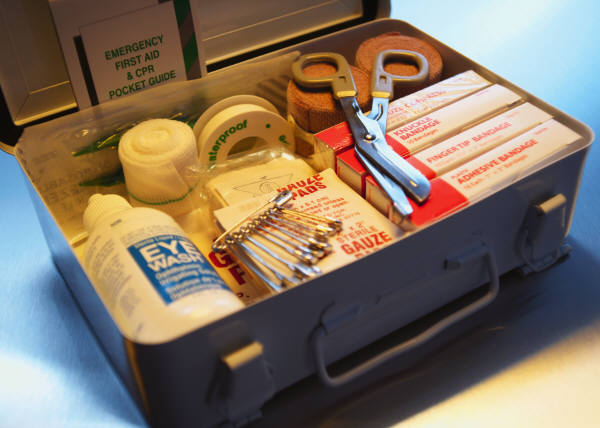
You do not need a military medic bag to be useful. A labeled box or small tote that everyone in the household knows about beats scattered supplies in three drawers. Consider including:
- Fluids and electrolytes: Oral rehydration salts (commercial packets) or the ingredients to mix a simple solution (see dehydration section). Clear broth, pediatric electrolyte drinks, and plain water.
- Wound care: Clean gauze, adhesive bandages, medical tape, nitrile gloves, antiseptic you know how to use, tweezers, small scissors.
- Monitoring: Digital thermometer; blood pressure cuff if someone in the home needs it; notebook or phone notes for times, doses, and symptom changes.
- Comfort and safety: Acetaminophen or ibuprofen if not contraindicated for the person (know allergies and medical conditions first); sun protection; insect repellent; extra prescription medications if your provider recommends a backup supply.
- Documentation: Copies of allergies, medications, and contact numbers; first-aid booklet you have actually read once.
Rotate dated items, keep gloves and gauze dry, and store medications out of reach of children. The kit supports judgment—it does not replace it.
Scenario 1: Dehydration and fluid loss
Dehydration is one of the fastest ways a stomach bug, heat exposure, or uncontrolled vomiting turns dangerous. It affects the very young and the elderly first. Thirst is an early clue; later signs include dry mouth, dizziness, dark or scant urine, lethargy, and (in infants) sunken fontanelle or fewer wet diapers.
Prevention beats rescue: offer small, frequent sips during illness or heat; do not wait until someone is too nauseated to drink. During vomiting or diarrhea, many caregivers use a rough rule of replacing about a cup of fluid for each episode, understanding that some will come back up—persistence matters.
If the person can still drink, offer frequent small sips of water or a commercial oral rehydration solution and follow the packet. The dehydration article covers how this looks in adults, children, and infants, and which signs mean emergency care.
Seek urgent help if someone cannot keep fluids down at all, shows confusion, has no urine for many hours, or appears shocky (cold clammy skin, rapid weak pulse). Dehydration above roughly ten percent body fluid loss is life-threatening.
Scenario 2: Minor wounds and infection
Most cuts and scrapes need cleanliness, direct pressure, and protection—not heroics. Wash your hands, irrigate with clean running water, remove obvious dirt with clean tweezers, and cover with a sterile dressing. Change dressings if they become wet or dirty; watch the skin margin for spreading redness, warmth, red streaks, increasing pain, or fever.
Animal bites, deep punctures, crush injuries, rust or soil embedded deep in tissue, and wounds on the face or over joints deserve professional assessment even if they look small—tetanus status and infection risk differ from a paper cut.
While waiting for care, elevate bleeding limbs when practical, maintain pressure, and keep the person warm. Tourniquets are for life-threatening limb bleeding when pressure fails—not for routine kitchen accidents.
Scenario 3: Fever, cough, and comfort care
Fever is a symptom, not a disease. In many viral illnesses the goal is comfort and hydration while the immune system works. Dress lightly, encourage fluids, and use age-appropriate fever reducers if there are no contraindications. Track the pattern: how high, how long, and what else is happening (breathing, rash, pain location).
See a clinician promptly for breathing difficulty, persistent high fever without improvement, dehydration, ear pain in small children, or any symptom that matches the emergency list above. During respiratory outbreaks, isolating the sick person, hand hygiene, and rest are boring—and effective.
Other pages on this site sort common problems—colds and flu, bites, dehydration, hypothermia—by what they tend to look like and when to get help. They are not treatment protocols, and they are not a substitute for vaccination, prescribed care, or public-health guidance.
Pages that were removed
Older posts gave dosing instructions for herbs, homeopathic remedies, and outbreak situations. Those pages have been removed. A disclaimer at the top did not make them appropriate to keep. Tooth and gum problems, infections, and serious illness need licensed care when you can reach it.
What remains describes warning signs and ordinary prevention: handwashing, fluids, warmth, and when to call for help. See Read this First.
Attitude, documentation, and handoff
Stress itself worsens perception of pain and can suppress immune function. Simple routines—assign one person to take notes, rotate caregivers, accept that perfect cleanliness is not always possible—reduce panic. Write down medication times, fluid intake, and temperature readings so any clinician you reach later gets a clear story.
Preparedness is partly supplies and partly the decision to escalate early when red flags appear. The win is not “treating everything at home”; it is keeping everyone alive and stable until expert help is available.
Reminder: SurvivalMedicineBlog offers opinion and education only. You are responsible for how you use it. When professional medical care is available, use it. For our full disclaimer and site background, see Read this First.
Browse by topic
- Preparedness: Self-care preparedness, Stress and infection
- Fluids and environment: Dehydration, Hypothermia
- Emergencies: Allergic reactions, Snake bite, Spider bites, Ticks
- Cold and flu: Which is which, Everyday prevention
- Infection: What it is, Everyday prevention